The Intriguing World of Card Games: An Exploration into PH LARO
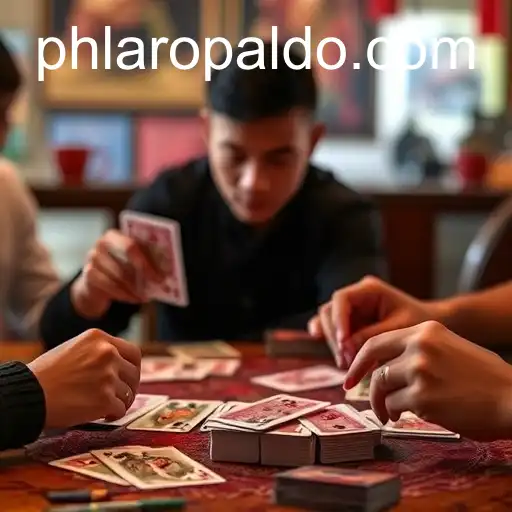
Card games have been a source of entertainment, strategy, and competition for centuries. They act as a social lubricant, bringing people together, and providing countless hours of enjoyment. With numerous games under its umbrella, the term 'card games' encompasses a realm of possibilities, strategies, and cultures. One intriguing aspect worth exploring is the concept of PH LARO, which is not just a simple keyword, but a gateway into a variety of card game experiences.
Origins and Evolution of Card Games
Card games have a rich history, believed to have originated in China during the Tang dynasty. Originally, they weren't merely games but were used for divination. As these games migrated to Europe during the 14th century, they evolved in complexity and variety, leading to classic forms that are familiar today, such as poker, blackjack, and bridge.
Throughout history, card games have adapted and diversified, intertwining with digital platforms and evolving into online experiences that bridge global communities. In this digital context, PH LARO becomes relevant as a form of expression and participation in the card game community.
Understanding PH LARO
The term PH LARO symbolizes a unique perspective on card games. 'PH' possibly denotes a particular cultural or geographical point of reference, while 'LARO' translates to 'play' in Filipino. This implies that these games are meant to be enjoyed and shared among communities, particularly those with Filipino influence or heritage.
The implications of PH LARO extend beyond simple gameplay, contributing to cultural identity and community bonds. In the Philippines, card games like 'Pusoy Dos' and 'Tong-its' are more than just games; they are cultural staples, fostering social interactions and family connections.
Diving Deep into the Card Game Variants of PH LARO
Pusoy Dos: The Filipino Poker
Pusoy Dos, often referred to as Filipino Poker, is a strategic shedding card game. Players aim to be the first to discard all their cards by forming poker-like hands in the correct order. It is typically played with a group of four, promoting cooperative play and strategic thinking. The game's sociocultural relevance within PH LARO is significant, contributing to its popularity.
Tong-its: A Game of Skill and Strategy
Another essential game within the PH LARO framework is Tong-its, a three-player rummy game. Its objective is to eliminate all cards through melding sets and runs, embodying strategy and forward-planning. As a staple in Filipino culture, Tong-its is deeply embedded in family gatherings and festive occasions.
The Modern Influence of PH LARO
With the advent of technology, the domain of card games has expanded exponentially, reaching new global audiences. Online platforms have emerged, carrying games like Pusoy Dos and Tong-its to a broader playing field. This digital transformation allows for the internationalization of card games, taking the concept of PH LARO from table tops to screen tops.
Online card games preserve traditional gameplay while introducing innovative twists to engage modern audiences. Consequently, PH LARO emerges as both a cultural artifact and a global community endeavor, enriched by the interconnectivity of the digital age.
Embracing the Future of Card Games
The expanding influence of card games cannot be understated, especially with the integration of mobile gaming and technology. The PH LARO concept will continue to evolve, growing its presence both locally and internationally. As players encounter these games, they participate in a lineage of storytelling, strategy, and social interaction.
From simple enjoyment to competitive platforms, PH LARO symbolizes an ever-evolving passion and an invitation to understand cultural influences through the timeless practice of card playing. Whether a novice or an expert, there is always something to learn and appreciate in the world of card games.